
The Molisch Test (or Molisch’s Test) is a widely used qualitative test for carbohydrates in biochemistry and laboratory analysis. It uses Molisch reagent (α-naphthol) and concentrated sulfuric acid (H₂SO₄) to produce a characteristic violet or purple ring when carbohydrates are present. Considered a universal carbohydrate detection test, it can identify monosaccharides, disaccharides, and polysaccharides. Compounds such as glycoproteins and glycolipids may also test positive due to their carbohydrate content. Because of its simplicity and sensitivity, the Molisch Test remains an important tool in education, research, food analysis, and pharmaceutical testing
Principle of Molisch Test/ Molisch test Reaction
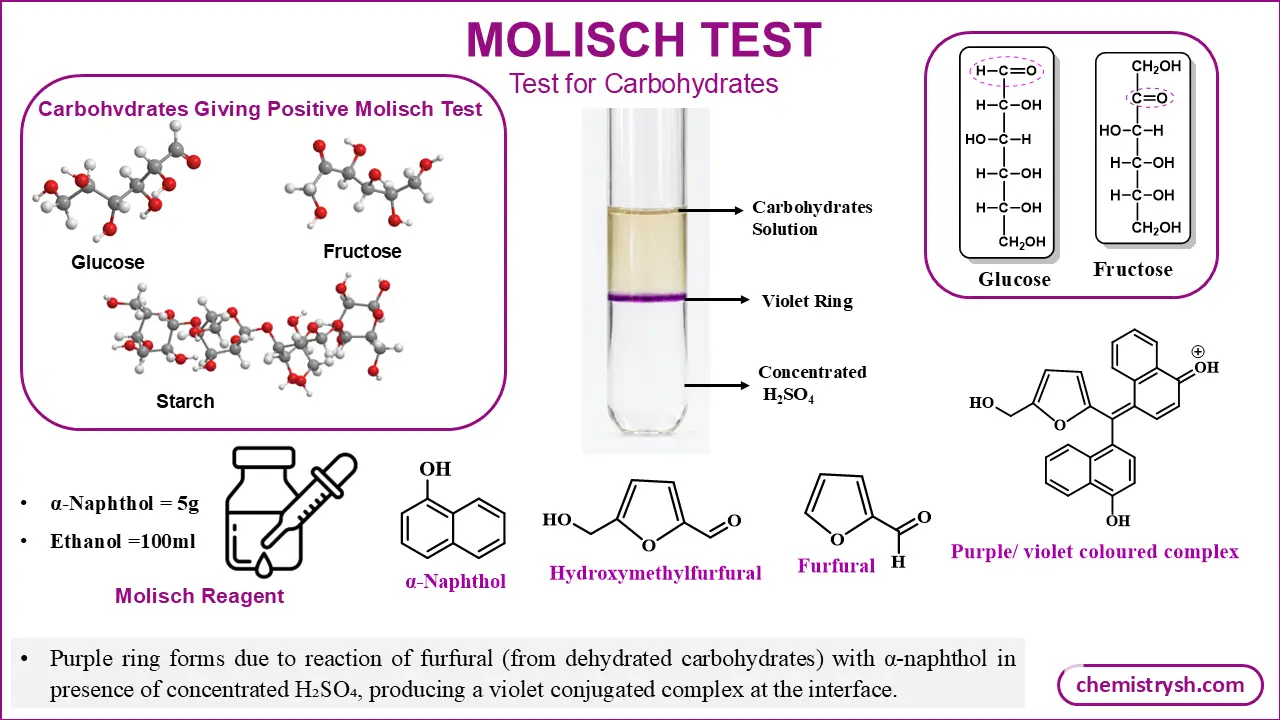
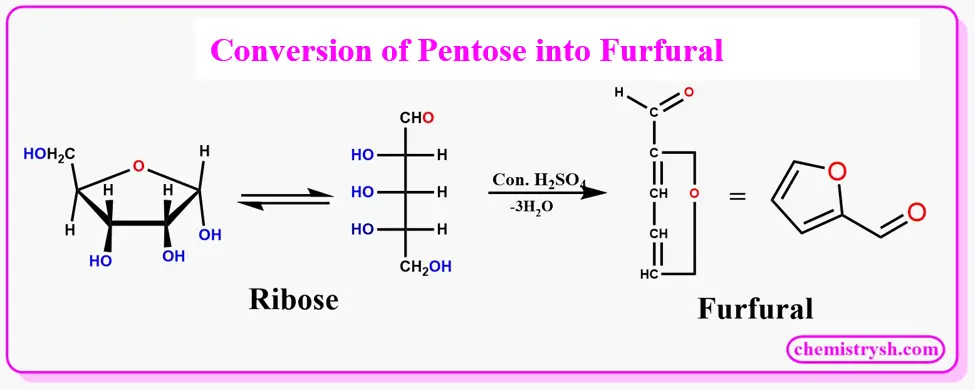
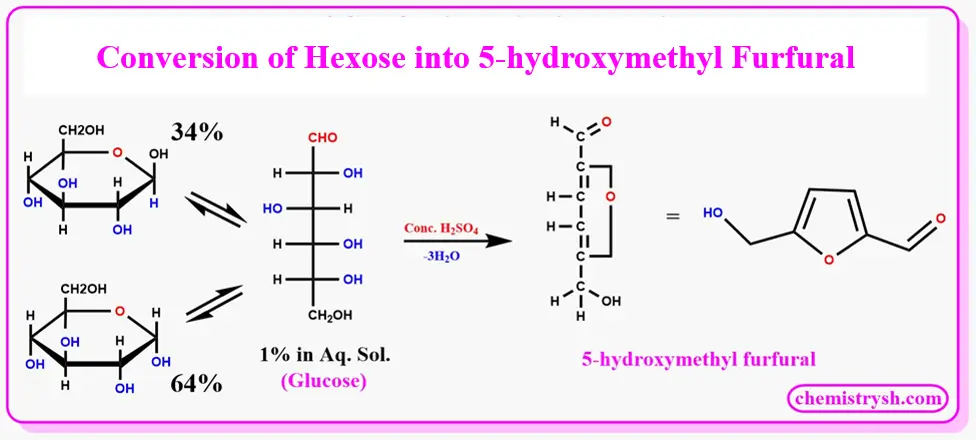
The principle of the Molisch Test is based on the dehydration of carbohydrates under strong acidic conditions. When a sample is treated with concentrated sulfuric acid (H₂SO₄), it removes water molecules from carbohydrates. As a result, pentoses are converted into furfural, while hexoses form hydroxymethylfurfural.
These newly formed compounds then react with α-naphthol (Molisch reagent) to produce a condensation product. This reaction leads to the appearance of a characteristic violet or purple ring at the interface, confirming the presence of carbohydrates. This is why the test is also referred to as the sulfuric acid carbohydrate test or violet ring test.
Mechanism of Molisch Test
The mechanism of the Molisch test is based on the acid-catalyzed dehydration of carbohydrates followed by a condensation reaction that produces a colored complex.
- When the sample is treated with concentrated sulfuric acid (H₂SO₄), carbohydrates undergo dehydration due to the strong acidic conditions.
- Pentoses are converted into furfural, while hexoses form hydroxymethylfurfural.
- These reactive aldehyde derivatives then react with α-naphthol (Molisch reagent).
- This reaction leads to the formation of a condensed purple/violet-colored complex.
- The colored complex appears as a violet or purple ring at the interface of the two layers, confirming the presence of carbohydrates.
This color formation is due to the formation of a highly conjugated structure in the reaction product, which absorbs visible light and produces the characteristic violet coloration.
Reagents Required for Molisch Test
The Carbohydrate test requires the combination of α-naphthol and concentrated sulfuric acid is essential for producing the characteristic violet ring in a positive test.
|
Reagent |
Purpose |
α-Naphthol |
Acts as the detection reagent that reacts with furfural derivatives to form a violet/purple ring at the interface |
Concentrated H₂SO₄ |
Acts as a strong dehydrating agent that converts carbohydrates into furfural (pentoses) or hydroxymethylfurfural (hexoses) |
Test Sample |
Serves as the source of carbohydrates being analyzed in the test |
Distilled water |
Used for preparing and diluting the sample to required concentration |
Molisch Reagent Preparation
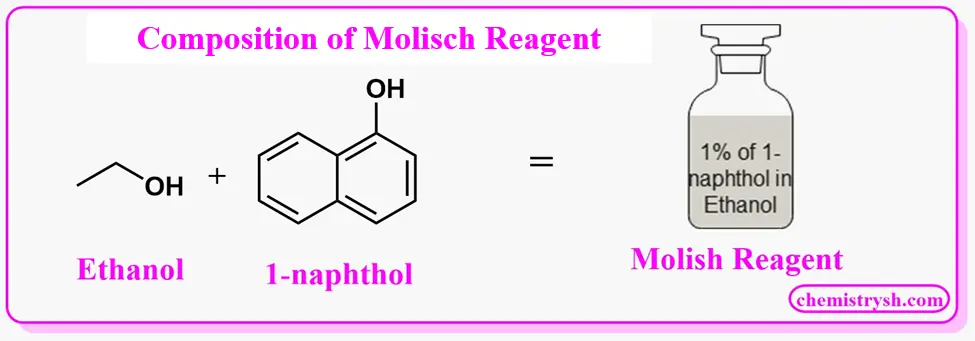
The Molisch reagent for the Molisch Test and is prepared under standard laboratory conditions using α-naphthol dissolved in ethanol. The reagent is prepared by dissolving a measured amount 5g of α-naphthol in 100 ml of ethanol to form a clear solution.
Ethanol acts as a solvent, ensuring uniform mixing and stability of the reagent. Fresh preparation is recommended for best performance, as the reagent may lose sensitivity over time if stored improperly.
Composition of Molisch Reagent
|
Component |
Quantity |
α-Naphthol |
5g |
Ethanol (95%) |
100ml |
Storage Instructions for Molisch
- Store the Molisch reagent in a well-sealed, amber-colored bottle to protect it from light.
- Keep it in a cool and dry place, preferably at room temperature away from direct sunlight.
- Ensure the container is tightly closed to prevent ethanol evaporation.
Shelf Life
- The Molisch reagent is best used freshly prepared for accurate results.
- It remains stable for approximately 2–4 weeks if stored properly under recommended conditions.
- Discard the reagent if any discoloration or precipitation occurs.
Safety Considerations
- Ethanol is flammable, so keep it away from open flames and heat sources.
- α-Naphthol is toxic and irritant, so avoid direct contact with skin and eyes.
- Always wear gloves, lab coat, and safety goggles during preparation and handling.
- Perform preparation in a well-ventilated laboratory or fume hood.
Apparatus Required for Molisch Test
The following laboratory apparatus is required to perform the Furfural Test (Molisch test) under standard experimental conditions. These tools ensure safe handling, accurate measurement, and proper observation of results.
|
Apparatus |
Purpose/Used |
|
Test tubes |
Used to hold and carry out the chemical reaction |
|
Pipette |
Used for accurate measurement and transfer of liquid samples |
|
Dropper |
Helps in adding reagents slowly and carefully, especially concentrated H₂SO₄ |
|
Test tube rack |
Used to hold test tubes in an upright position during the experiment |
|
Protective gloves |
Protects hands from corrosive chemicals like concentrated sulfuric acid |
|
Safety goggles |
Protects eyes from chemical splashes during the test |
Molisch Test Procedure
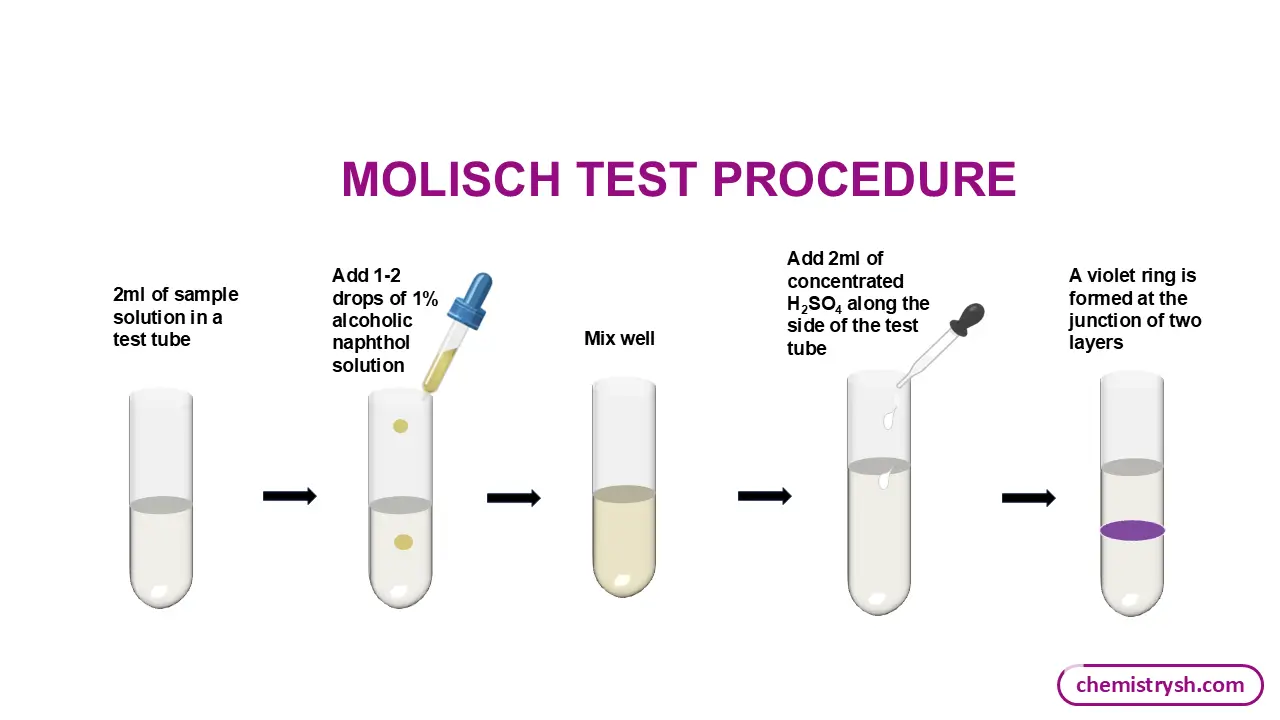
- Take a clean test tube and add the sample solution 2 ml.
- Add 1to 2 drops of Molisch reagent (α-naphthol in ethanol).
- Mix the solution gently.
- Carefully add 1 – 2 ml concentrated H₂SO₄ along the side of the test tube without shaking.
- Observe the interface for a violet or purple ring.
Record the result:
Molisch Test Result and Observation
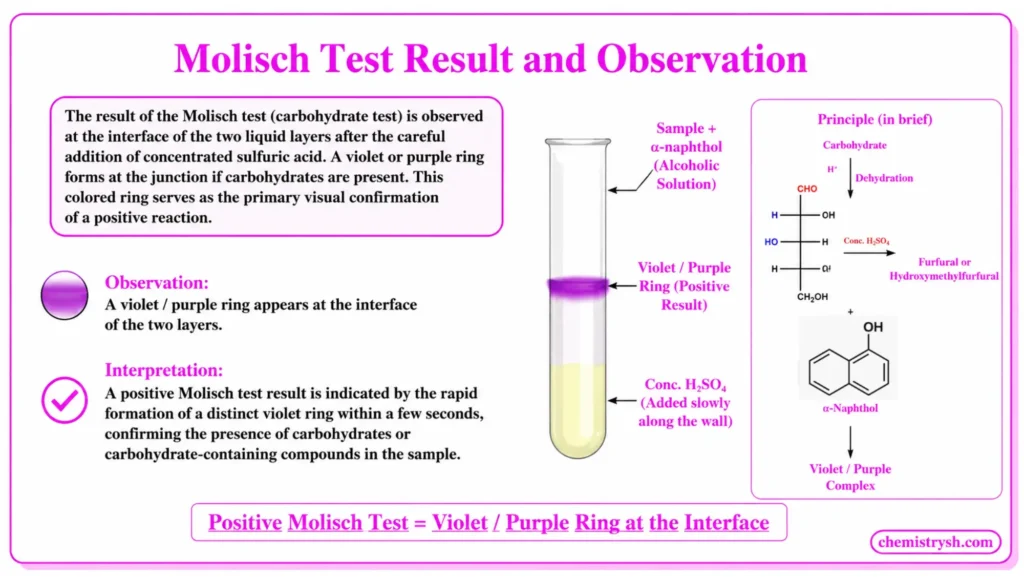
The result of the Molisch test ( carbohydrate test) is observed at the interface of the two liquid layers after the careful addition of concentrated sulfuric acid. A violet or purple ring forms at the junction if carbohydrates are present. This colored ring serves as the primary visual confirmation of a positive reaction.
A positive Molisch test result is indicated by the rapid formation of a distinct violet ring within a few seconds, confirming the presence of carbohydrates or carbohydrate-containing compounds in the sample.
This test for carbohydrates results are negative when no colored ring forms at the junction. A negative result indicates the absence of detectable carbohydrates in the given sample.
Note: If a green ring appears during a Molisch test, it is concluded to be a strictly negative result for carbohydrates. The sample does not contain detectable amounts of sugars.
To confirm the presence of carbohydrates, this test specifically requires the formation of a purple or violet ring.
If you observe a green (or sometimes yellow or brown) ring, it is typically caused by one of the following issues:
- Reagent Impurities: The α-naphthol in your Molisch reagent may have oxidized or degraded, which often happens if the reagent is not freshly prepared or was exposed to light and air.
- Sample Impurities: The concentrated sulfuric acid may be reacting with non-carbohydrate organic impurities in your test sample, causing them to char or form other colored byproducts.
- Contaminated Glassware: There may be residual chemicals in the test tube from a previous experiment.
What to do next in the lab: Discard the test tube, thoroughly wash and dry your glassware, prepare a fresh batch of Molisch reagent (α-naphthol in ethanol), and run the test again to ensure accurate results.
Comparison of Molisch Test with Other Common Carbohydrate Tests
Several qualitative tests are used to detect and identify carbohydrates. The Molisch Test is a universal screening test, while other tests are more specific for certain types of sugars.
Comparison of Molisch Test with Other Common Carbohydrate Tests
|
Test |
Detects |
Positive Result |
Specificity |
Key Insight / Use Case |
Molisch Test |
All carbohydrates |
Violet/Purple ring |
Low |
Universal screening test; used as a first step in carbohydrate detection |
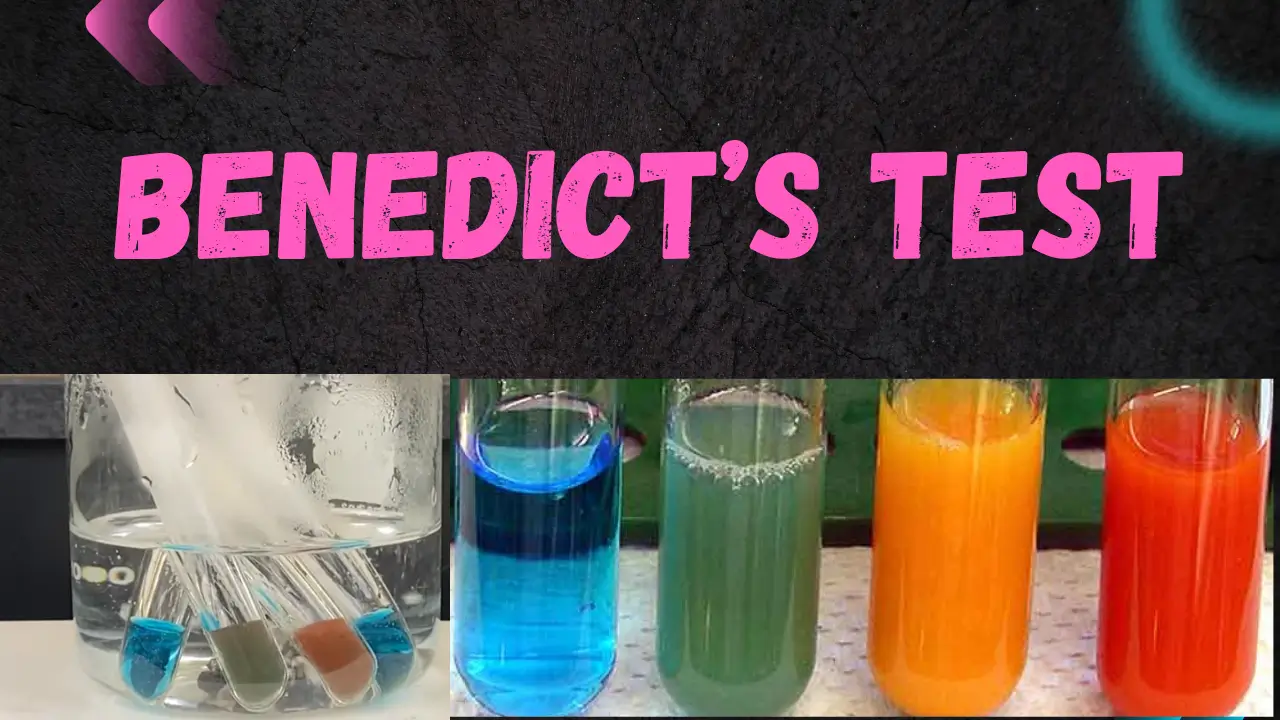
Benedict Test |
Reducing sugars |
Red precipitate |
Medium |
Common test for glucose and other reducing sugars |
Fehling Test |
Reducing sugars |
Brick-red precipitate |
Medium |
Similar to Benedict; confirms reducing nature of sugars |
Barfoed Test |
Monosaccharides |
Red precipitate |
High |
Differentiates monosaccharides from disaccharides |
Iodine Test |
Starch |
Blue-black color |
High |
Specific test for starch and polysaccharides containing amylose |
Compounds that Respond to Molisch Test
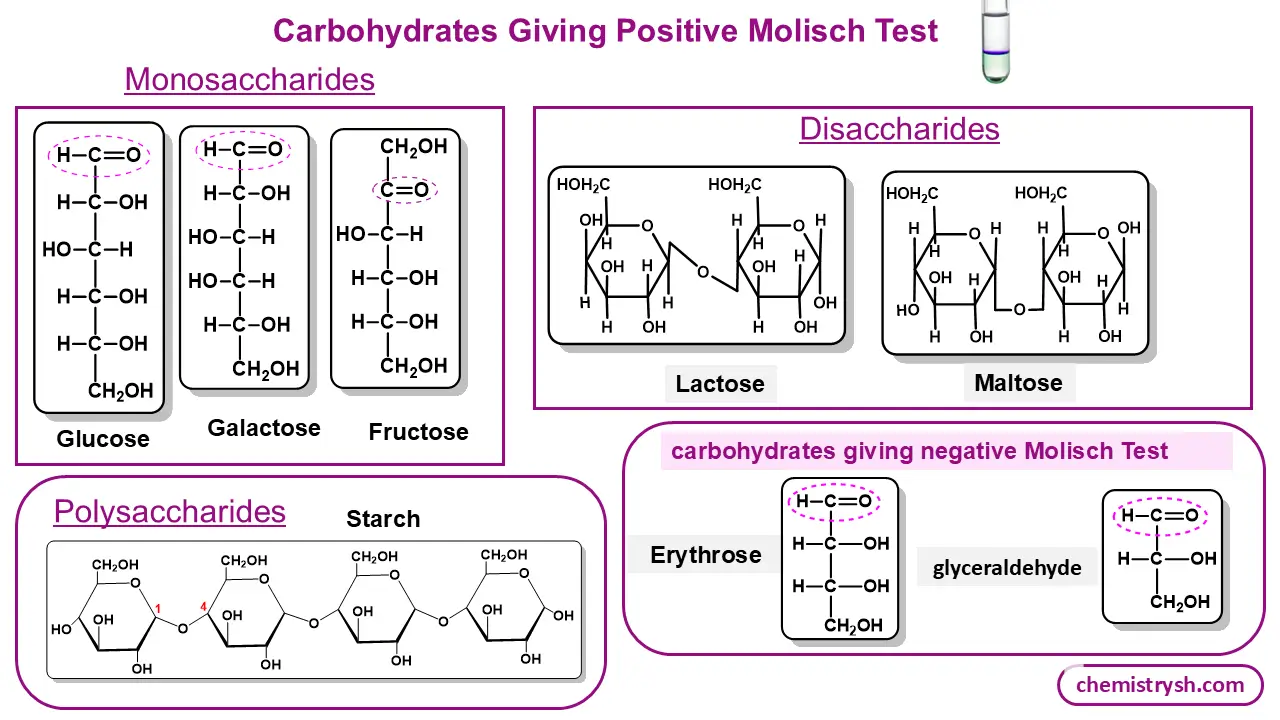
Monosaccharides such as glucose, disaccharides such as sucrose, and polysaccharides such as starch give a positive Molisch test. In addition, carbohydrate-containing biomolecules including glycoproteins (e.g., mucin) and glycolipids (e.g., cerebrosides) also respond positively to the test because they contain carbohydrate moieties.
All compounds give a positive Molisch test because under concentrated H₂SO₄, their carbohydrate part is converted into furfural derivatives, which react with α-naphthol to form a violet/purple ring.
|
Category |
Examples |
Why They Give Positive Molisch Test |
Result in Test |
Monosaccharides |
Glucose, Fructose, Ribose |
Directly undergo dehydration to form furfural or hydroxymethylfurfural |
Strong positive (violet ring) |
Disaccharides |
Sucrose, Lactose, Maltose |
Hydrolyzed into monosaccharides under acidic conditions, then form furfural derivatives |
Positive (violet ring) |
Polysaccharides |
Starch, Glycogen, Cellulose |
Broken down into simpler sugars which then form furfural derivatives |
Positive (violet ring) |
Glycoproteins |
Serum proteins, membrane proteins |
Contain carbohydrate chains that react after acid hydrolysis |
Weak to moderate positive |
Glycolipids |
Membrane lipids with sugar groups |
Carbohydrate portion undergoes dehydration reaction |
Weak positive |
Note: concentrated H₂SO₄ acts as both a hydrolyzing agent (to break disaccharides/polysaccharides down into monosaccharides) AND a dehydrating agent (to form the furfural).
False Positives in the Molisch Test
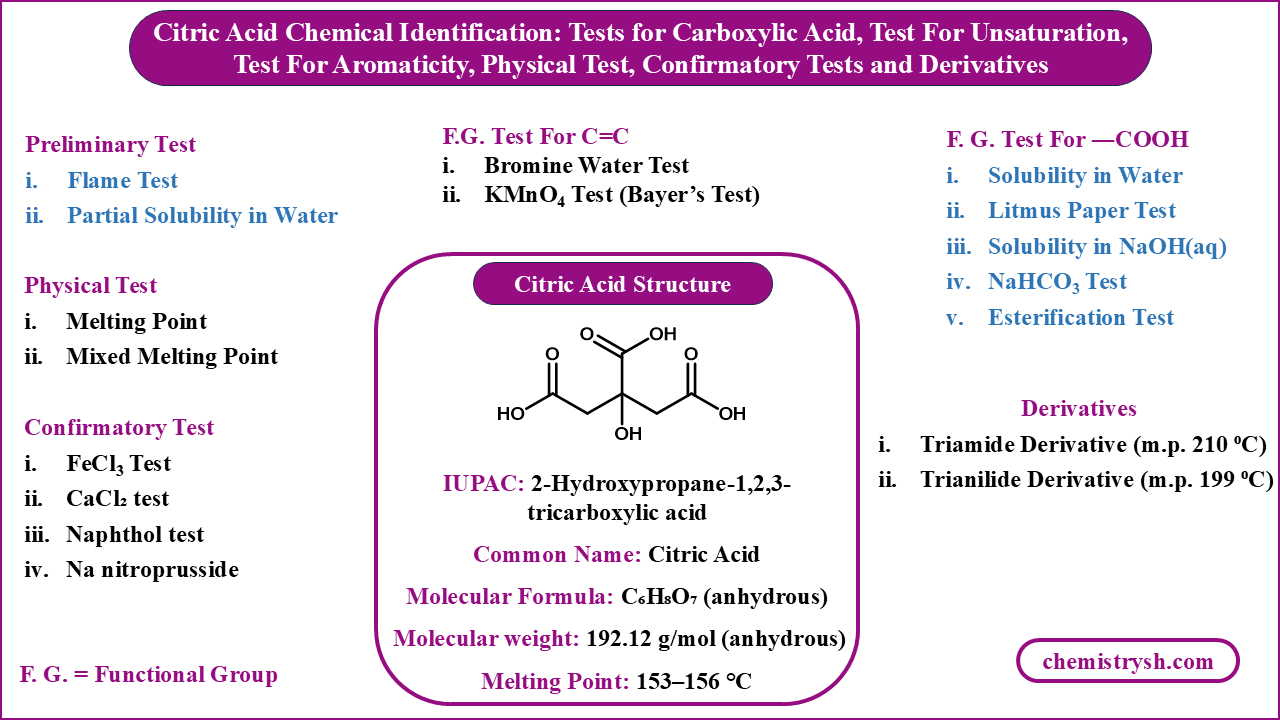
Citric acid, lactic, oxalic, and formic acids frequently cause false positives results. The Molisch test relies on concentrated sulfuric acid (H₂SO₄) acting as a powerful dehydrating agent to convert carbohydrates into furfural derivatives. However, because concentrated H₂SO₄ is so aggressively reactive, it also attacks certain non-carbohydrate organic acids. This leads to false positives or severe interference through two main mechanisms:
1. Formation of Furfural-Like Intermediates (Citric and Lactic Acid)
When exposed to the extreme acidic conditions of the test, citric and lactic acids undergo dehydration and degradation.
- Lactic Acid: Decomposes into intermediate compounds such as pyruvic acid and acetaldehyde.
- Citric Acid: Dehydrates and decarboxylates into species like aconitic acid and itaconic acid.
These specific degradation products behave chemically similarly to furfural. They condense with the α-naphthol in the Molisch reagent to produce a reddish or purplish ring, directly mimicking a true positive carbohydrate result.
2. Violent Decomposition and Charring (Formic and Oxalic Acid)
Formic and oxalic acids trick the test differently. Rather than forming furfural mimics, they react violently with the concentrated H₂SO₄, creating extreme visual interference.
- Formic Acid: Dehydrates rapidly to release carbon monoxide gas (CO) and water.
- Oxalic Acid: Decomposes to release carbon monoxide (CO), carbon dioxide (CO₂), and water.
This rapid breakdown causes bubbling and severe charring at the interface between the acid and the sample. The resulting dark brown, black, or greenish rings obscure the reaction and are frequently misread in the laboratory as a false positive result.
Compounds Not Giving Positive Molisch Test
All carbohydrates that can undergo acid-catalyzed dehydration with concentrated H₂SO₄ to form furfural or hydroxymethylfurfural give a positive test. However, compounds such as trioses (glyceraldehyde— a triose) and tetroses (erythrose— a tetrose) they are carbohydrates that give negative results as they cannot form furfural derivatives required for violet ring formation (at least five carbon sugar is required to make Furfural).
A Real Case in Laboratory: Distinguishing Carbohydrates from Simple Aldehydes
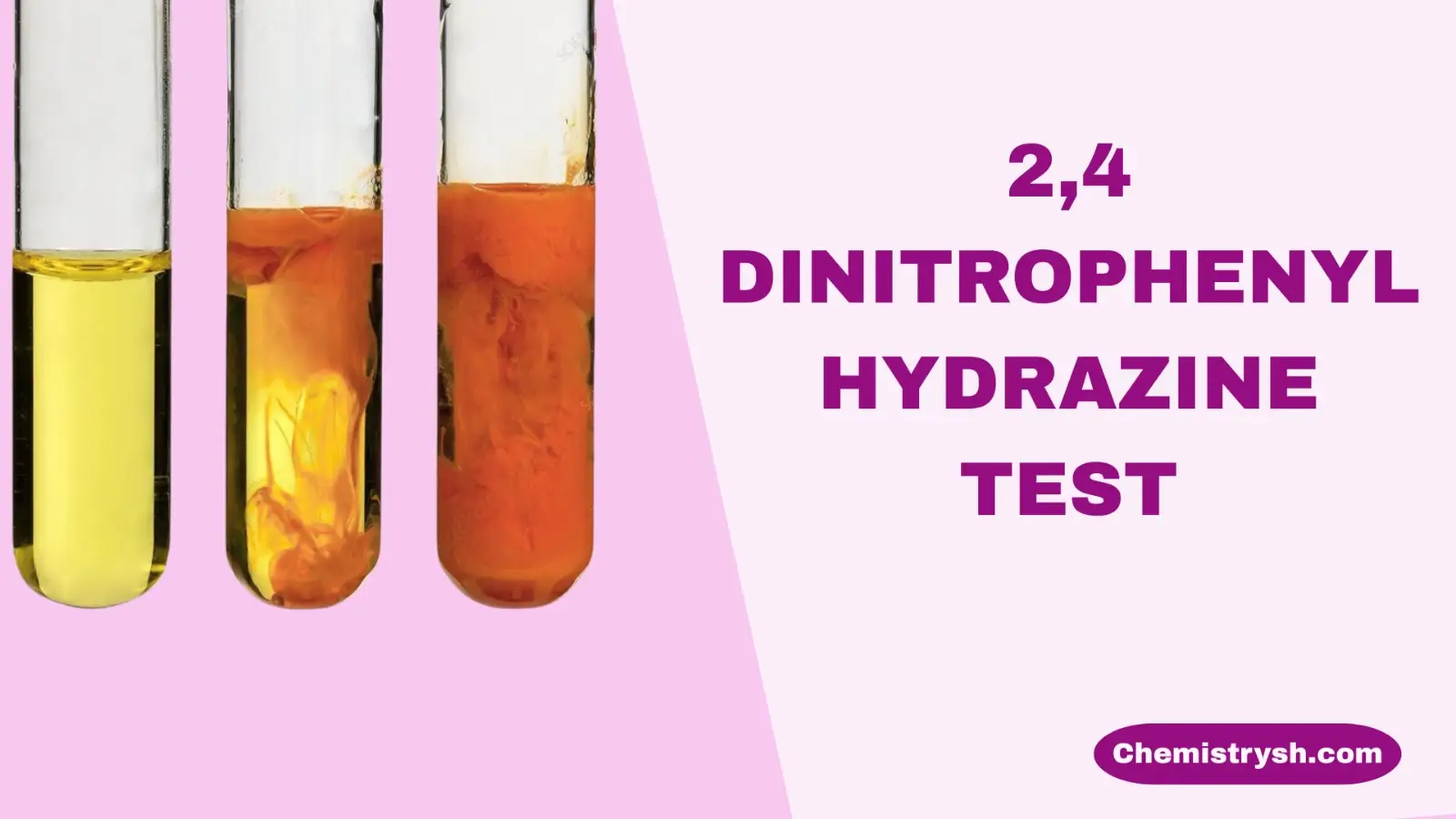
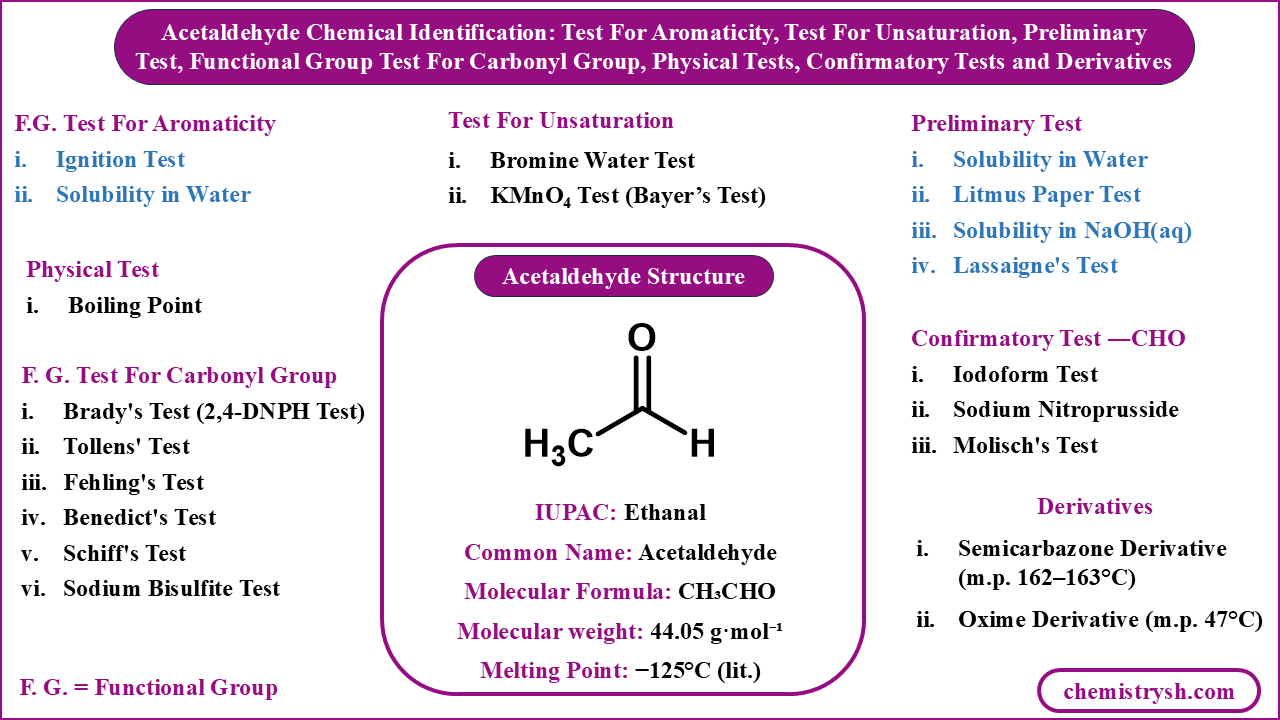
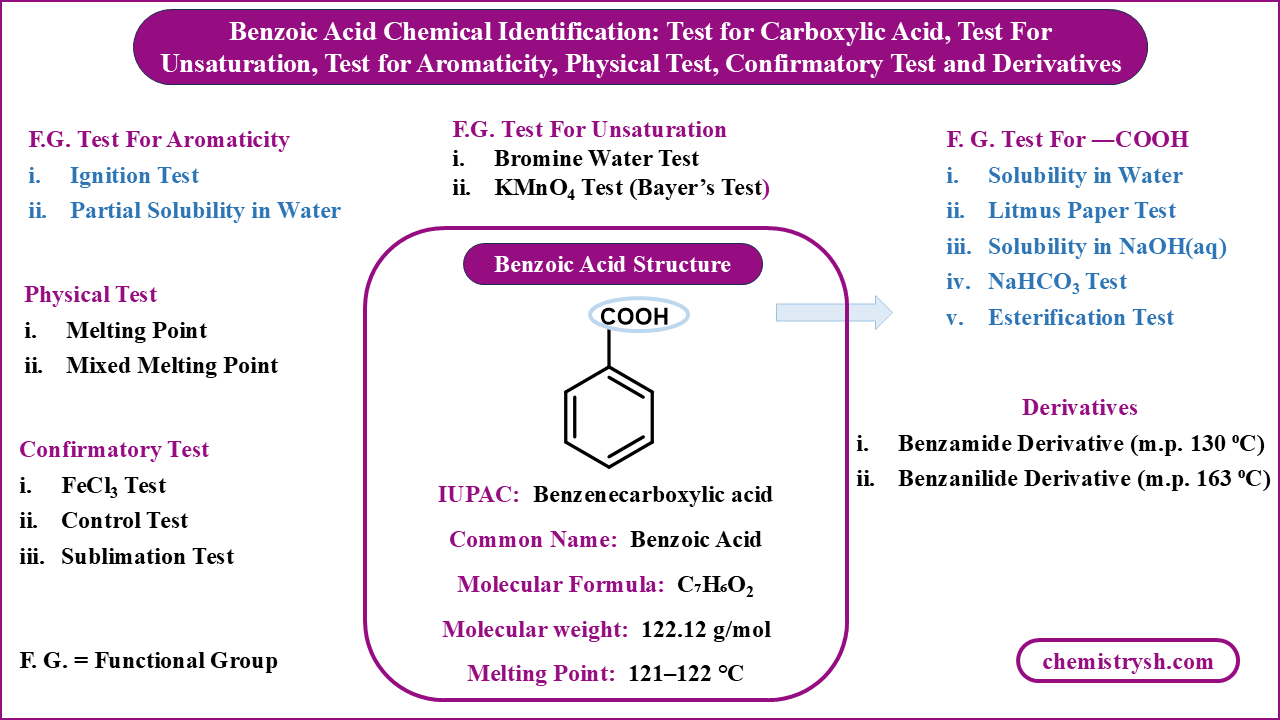
Both acetaldehyde and glucose contain an aldehydic (carbonyl) functional group, that is why the respond both respond positively to Tollens’, Fehling’s, and the 2,4-DNP tests. Consequently, the Molisch test serves as a highly effective and practical method for distinguishing between the two. Because this test specifically detects carbohydrates, like glucose (and other sugars) and responds negatively for other aldehydes.
|
Test |
Acetaldehyde |
Glucose |
Inference |
2,4-Dinitrophenylhydrazine (2,4-DNP) Test |
Positive (yellow-orange precipitate) |
Positive (open-chain form reacts) |
Indicates the presence of a carbonyl group |
Tollens’ Test (Silver Mirror Test) |
Positive |
Positive |
Indicates the presence of an aldehyde group |
Fehling’s Test |
Positive (brick-red precipitate) |
Positive (brick-red precipitate) |
Indicates a reducing aldehyde or reducing sugar |
Chromic Acid (Jones) Test |
Positive (orange to green) |
Positive |
Indicates oxidation of aldehydic functionality |
Molisch Test |
Negative |
Positive (violet ring) |
Distinguishes carbohydrates from non-carbohydrate aldehydes |
Limitations of Molisch Test
|
Limitation |
Explanation |
|
Non-specific test |
It detects all carbohydrates but cannot distinguish between monosaccharides, disaccharides, and polysaccharides. |
|
Cannot identify exact sugar |
The test only confirms the presence of carbohydrates, not the type or structure of the sugar. |
|
False positive results |
Some non-carbohydrate compounds (e.g., glycoproteins, nucleic acids) may also give a positive reaction due to carbohydrate components. |
|
Requires concentrated acid |
Uses concentrated H₂SO₄, which is highly corrosive and hazardous to handle |
|
Technique-sensitive |
Improper layering or mixing of acid and sample can lead to incorrect or unclear results. |
|
Not quantitative |
It does not provide any measurement of carbohydrate concentration. |
|
Interference from impurities |
Contaminated reagents or glassware may affect the accuracy of the violet ring formation. |
Applications and Clinical Significance of Molisch Test
|
Area |
Applications |
|
Education |
Biochemistry practicals• Chemistry laboratory demonstrations• Student training and experiments |
|
Research |
Preliminary carbohydrate screening• Biomolecule analysis• Glycoprotein and glycolipid studies |
|
Clinical Laboratories |
Biological sample screening• Urine analysis• Diagnostic biochemistry investigations |
|
Pharmaceutical Industry |
Drug formulation testing• Excipient analysis• Quality assurance and validation |
|
Food Industry |
Food composition analysis• Carbohydrate detection in products• Ingredient verification |
|
Quality Control |
Raw material testing• Product consistency checks• Industrial laboratory screening |
Multiple Choice Questions
MCQ 1
1. What is the primary purpose of the Molisch test?
A. To detect the presence of proteins
B. To differentiate between aldoses and ketoses
C. To detect the general presence of carbohydrates
D. To identify reducing sugars only
MCQ 2
2. What are the main components used to prepare the Molisch reagent?
A. β-naphthol dissolved in water
B. α-naphthol dissolved in an alcohol solvent (like ethanol)
C. Copper sulfate and sodium citrate
D. Silver nitrate and ammonia
MCQ 3
3. What visual change indicates a strictly positive result in the Molisch test?
A. The formation of a brick-red precipitate
B. The solution turning deep cherry-red
C. A silver mirror forming on the test tube wall
D. A purple or violet ring forming at the liquid interface
MCQ 4
4. Which strong acid is used in the Molisch test to drive the dehydration reaction?
A. Concentrated hydrochloric acid
B. Concentrated nitric acid
C. Concentrated sulfuric acid (H₂SO₄)
D. Dilute acetic acid
MCQ 5
5. During the Molisch test, the acid dehydrates pentoses and hexoses to form which intermediate compounds, respectively?
A. Furfural and hydroxymethylfurfural
B. Hydroxymethylfurfural and furfural
C. Glucuronic acid and gluconic acid
D. Sorbitol and mannitol
MCQ 6
6. Which test is best suited to quickly differentiate between an aldose (like glucose) and a ketose (like fructose)?
A. Benedict’s test
B. Seliwanoff’s test
C. Molisch test
D. Tollens’ test
Viva Questions
References relate to Benedict’s Test
- Fehlings Test by chemistrysh.com.
- Benedict Test by chemistrysh.com.
- Tollens Test by chemistrysh.com.
- Nelson, D. L., & Cox, M. M. (2021). Lehninger principles of biochemistry (8th ed.). W. H. Freeman.
- Rodwell, V. W., Bender, D., Botham, K. M., Kennelly, P. J., & Weil, P. A. (2021). Harper’s illustrated biochemistry (32nd ed.). McGraw-Hill Education.
- Vasudevan, D. M., Sreekumari, S., & Vaidyanathan, K. (2019). Textbook of biochemistry for medical students (8th ed.). Jaypee Brothers Medical Publishers.
- Plummer, D. T. (1987). An introduction to practical biochemistry (3rd ed.). McGraw-Hill.
- Molisch, H. (1886). Original work on carbohydrate detection reactions.